

The Invisible Line Between Coping and Overwhelm
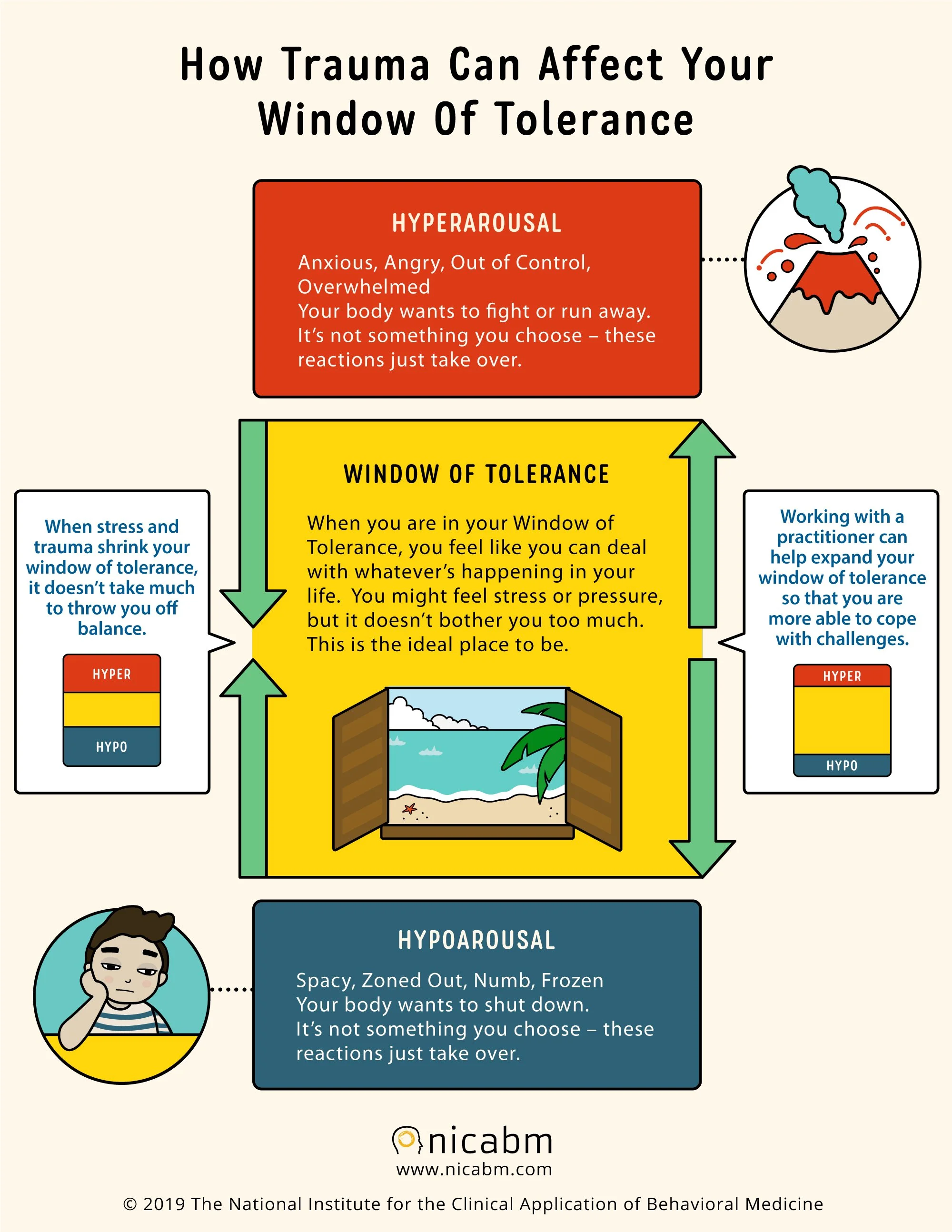
If you have ever felt like some days you can handle the hard stuff, and other days you cannot, you are likely experiencing shifts in what therapists call your window of tolerance, the zone in which your nervous system feels calm, present, and able to cope. This post explains what the window of tolerance is, why it narrows during stress and trauma, and how nervous system regulation, emotional regulation, and trauma therapy such as EMDR can help you widen your window so you feel steady more often, not just on your best days. Virtual therapy available across Colorado, Florida, and Maine.

Boundaries Without Guilt
Struggling to set boundaries without guilt? Learn how people pleasing, trauma, and nervous system patterns connect, and how trauma therapy can help. Virtual sessions in CO, ME & FL.

Why Busy, Loud, or Overwhelming Environments Leave You Feeling Depleted
If a trip to the grocery store, a crowded office, or a loud family gathering leaves you feeling anxious, irritable, or completely wiped out, you're not being "too sensitive." Your nervous system is doing exactly what it was shaped to do. Chronic stress, trauma, anxiety, and burnout can lower your threshold for sensory input, making everyday environments feel like too much. This post explains the nervous system science behind that depletion, the signs your system may be struggling, and how trauma therapy and nervous system regulation work can help you build real capacity for emotional regulation, so busy environments feel survivable again, not just draining.

When Time Off Makes You More Dysregulated
If vacations, weekends, or holidays leave you feeling anxious, irritable, restless, or strangely worse instead of relaxed, you’re not alone. When a nervous system has adapted to chronic stress or long-term activation, slowing down can actually feel unsafe at first. This post explains why rest can trigger anxiety during vacation and other downtime, what dysregulation often looks like in the body and mind, and how trauma therapy and nervous system regulation work can help you build a genuine capacity for rest.

EMDR Explained: How Your Brain Already Knows How to Heal
EMDR (Eye Movement Desensitization and Reprocessing) is a therapy that helps your brain finish processing painful memories. It works like REM sleep, which is when your brain naturally sorts through the day's emotions while you rest. During an EMDR session, your therapist guides you through bilateral eye movements, taps, or audio sounds while you think about a hard memory. Over time, this helps shift negative untrue beliefs like "I'm not safe" or “I am not good enough,” into truer, steadier ones like "I am safe" or "I am good enough." EMDR is used to help people work through trauma, and it works by calming and healing the nervous system, not just the mind. If you're curious whether EMDR could help you, keep reading. Support is available.

How Trauma Impacts Self-Trust (and How to Rebuild It)
Trauma doesn't just leave emotional scars; it can quietly dismantle your ability to trust yourself. When you've lived through experiences that felt unsafe, unpredictable, or overwhelming, your nervous system adapts in ways that can make you second-guess your instincts, doubt your perceptions, and disconnect from your own inner voice. This post explores how trauma disrupts self-trust, what that looks like in daily life, and how trauma therapy can help you reconnect with your intuition, regulate your nervous system, and rebuild confidence in yourself, one small, brave step at a time.

Recovering from Family Rejection and Emotional Shame
Being rejected by family or a religious community isn't something you just "get over." That kind of rejection affects your nervous system, your sense of self, and how you show up in relationships, sometimes for years. It's not weakness. It's what happens when the people who were supposed to love you unconditionally didn't. Therapy can help you process the pain, quiet the shame, and slowly rebuild trust in yourself and others. You deserve that support.